Students at Jefferson are building a six-foot humanoid, and it has already taken steps
Potentia Robotics is a student-run nonprofit with a robot named Olympian and a plan to make age irrelevant.
Plenty of high schoolers build a robot. Potentia Robotics set out to build a person-sized one.
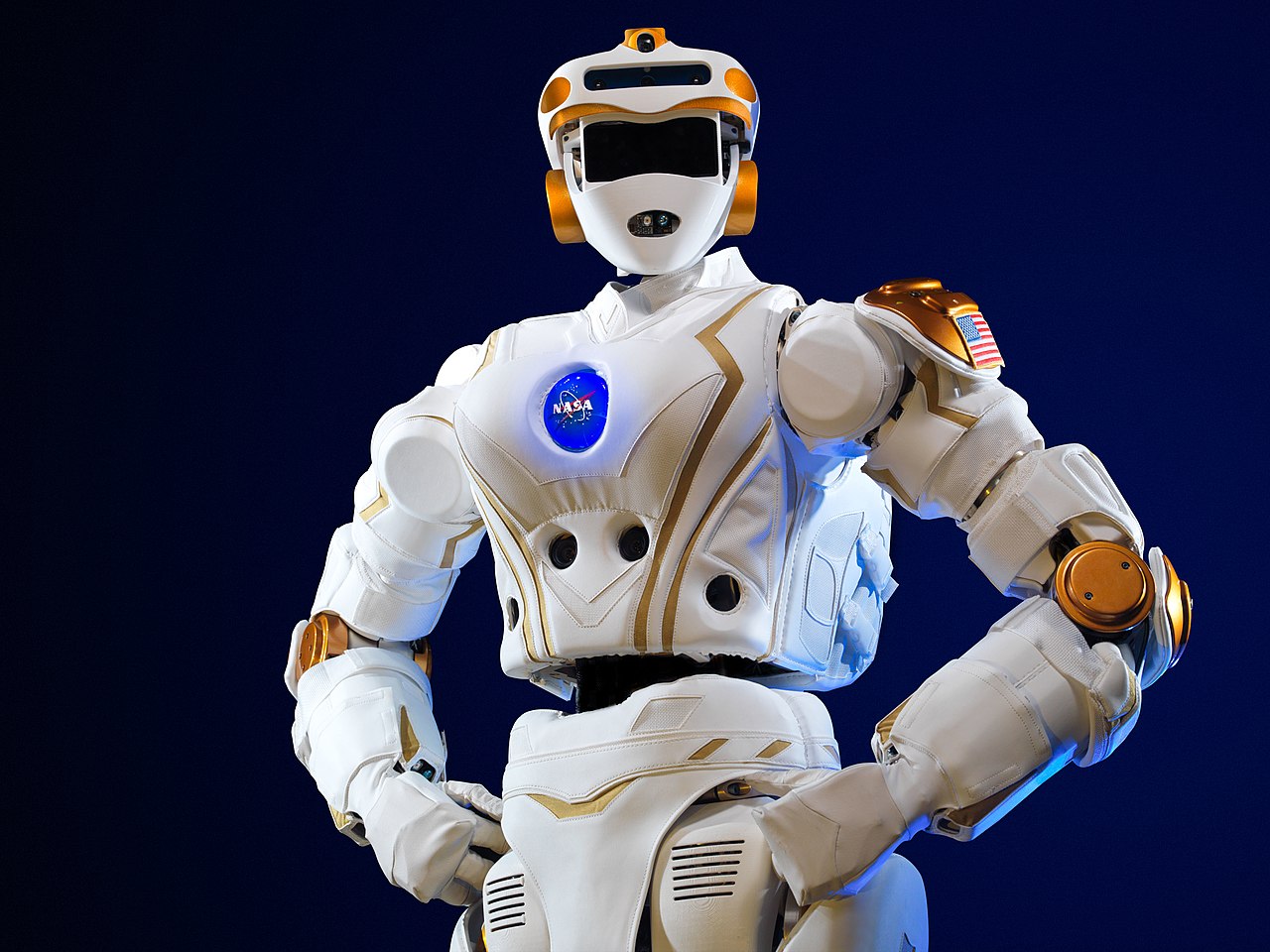
The group is a student-run 501(c)(3) created by students at Thomas Jefferson High School for Science and Technology in Virginia. Its project is Olympian, a humanoid designed to stand six feet tall and complete tasks on its own. LinkedIn describes the team as the first high school organization to build a six-foot-tall bipedal humanoid robot.
TJ Today, the school’s student paper, reported in October 2021 that juniors Aditya Vasantharao and Audhav Durai had founded it, with Vasantharao as president and Durai as software lead. The team then had about 20 members split across programming, engineering and electronics. IRS records show the nonprofit’s tax exemption was issued in June 2021.
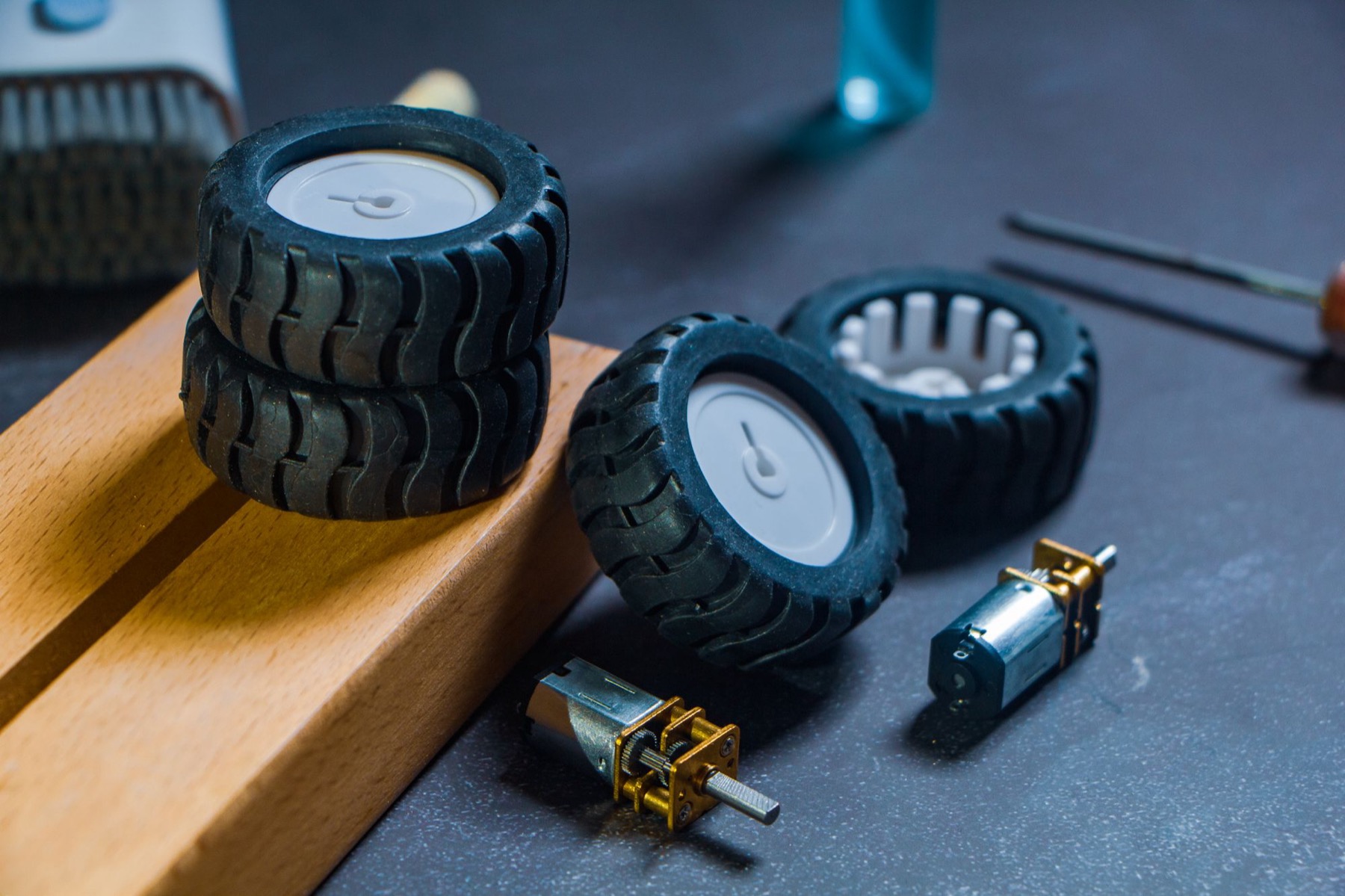
The early problems were physical ones. “We had to tweak our design a little bit because the motors that we need are a little more powerful than we expected,” Vasantharao told TJ Today. The team raised over $2,000 by then, ran a Python camp and had no corporate sponsors.
Taking steps
By December 2024, leadership had passed to Anish Suvarna, then a rising senior, who told Pulse 2.0 he served as president and team lead across software, mechanical, manufacturing, design, electrical and operations. He also set up a testing team.
The progress he described is concrete. The team finished the robot’s lower body and paired it with a gait generation algorithm. A scaled-down version, roughly 2.5 feet tall, took its first steps. It also completed autonomous navigation software using A* search for path planning.
Setbacks came with it. The team reordered costly linear actuator motors that did not fit the first design, and it rewrote algorithms as new AI libraries appeared. Funding started thin, then came from local organizations and tutoring centers that traded money for the team’s services, plus sponsors drawn by its boot camps and outreach events.
Next on the list is the upper body, more student outreach and partnerships with larger companies. The team runs subteams for software, computer vision, design and manufacturing, electronics, controls, testing and outreach.
The motto has stayed steady across generations of members. In 2021 Durai told TJ Today, “We want to change the mentality that age is the limiting factor in innovation.” Three years later, Suvarna put it this way to Pulse 2.0: “We believe that age should never be a barrier to innovation.”