A Dubai junior is keeping girls in Bihar in school, one pad at a time
Project SAFE began as a teenager's worry about her own first period and now supplies government schools in two Indian states.
Reya Khawaja runs a supply chain that crosses the Arabian Sea, and she did it from a school desk in Dubai.
Project SAFE, short for Sanitation and Awareness for Female Empowerment, launched in February 2024 while Khawaja was a student at Nord Anglia School Dubai. The idea came from her own first period. Gulf News reports that she had no one to explain it, and that she later learned many girls in rural India face the same confusion with even less support. “I couldn’t imagine how isolating and frightening that must’ve felt as a young girl,” she told the paper.
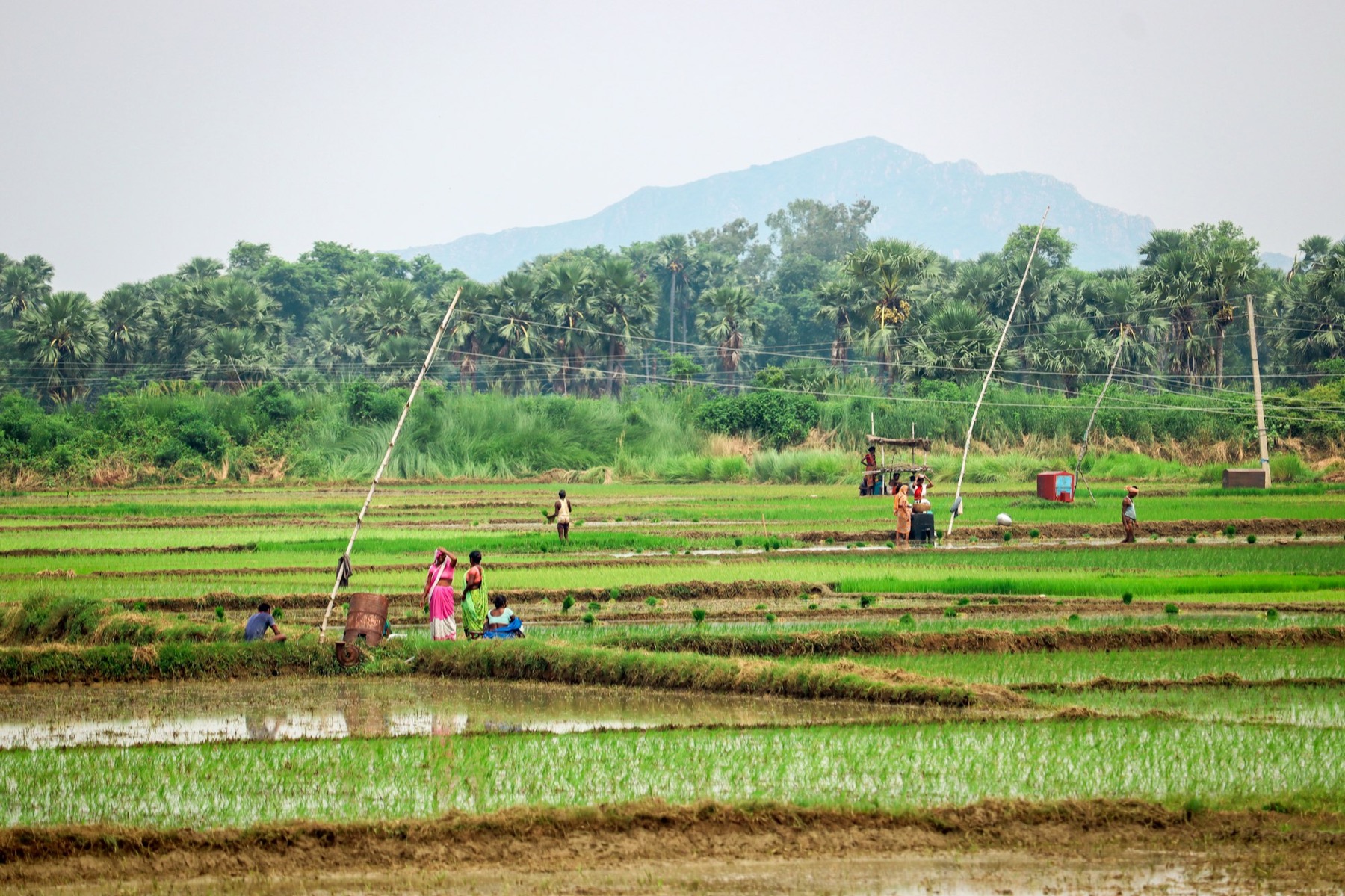
She met Pankaj Jha of KCS Foundation India in Dubai, and the two built the partnership that gave the project legs on the ground. It began in the Sitamarhi and Madhubani districts of Bihar, where pads are distributed monthly through 12 government schools. Alongside the pads, Khawaja’s team runs interactive online sessions on menstrual hygiene, reproductive health and personal dignity.
The pairing matters. Pads without information get shoved in a drawer, and information without pads is a lecture on a problem you cannot solve. Project SAFE does both, and keeps doing it every month, which is the unglamorous part that decides whether a program lasts.
In 2025 the project grew, with Delhi’s Maanawta Foundation helping extend it to three more government schools in Ghaziabad, Uttar Pradesh. Khaleej Times reports that more than 25,000 pads have been distributed. That figure is the project’s own claim, and neither outlet independently broke it down, but the shape of the work is clear enough.
The measure that sticks is a smaller one. Khaleej Times quotes a student in Sitamarhi who said she used to miss class during her period out of embarrassment and the lack of pads, and now says she never misses school anymore.
Khawaja’s own summary is tidy: “Menstrual health is not just about hygiene, it’s about equality, dignity, and opportunity,” she told Khaleej Times. Her advice to other young people, per Gulf News, is shorter still. “You don’t need permission to start.”
Project SAFE says it wants to reach more rural schools that still lack menstrual education. For a project run remotely by a student with homework of her own, that is a long shipping list.