In Bangkok, teenagers are planting coral and paddling for trash
Care for Coral, started by a Thai high schooler, gives young people a hands-on way into reef restoration.
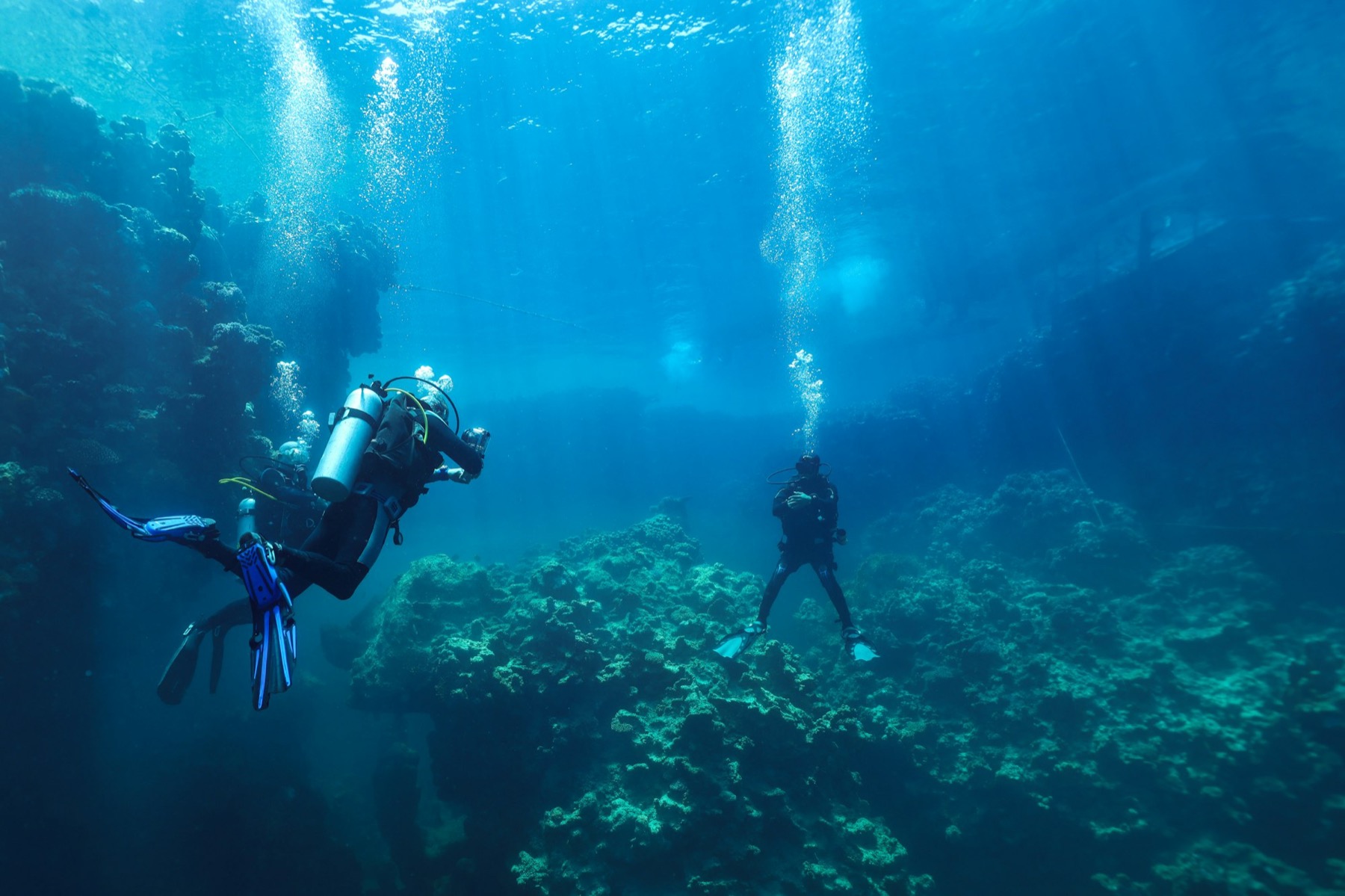
Thailand has famous reefs and a lot of teenagers who have never touched one. Care for Coral exists to close that distance.
Pleng Kruesopon started the group while in high school, after noticing that young people had almost no way to contribute to conservation beyond reading about it. She now studies at Stanford and co-leads Care for Coral with her younger sister, Pyn, who runs operations in Thailand.
The format is deliberately physical. The group runs educational workshops, coral planting dive trips and cleanups of both ocean and river. Its first restoration trip drew 150 volunteers, which is a large number for a first outing by anyone, let alone a student group. According to Stanford, it has engaged hundreds of Thai youth since 2020.
The river work is the part that surprises people. Every year the group holds a Chao Phraya cleanup it calls “paddle for debris,” in which volunteers collect trash by boat. Over three years, Stanford reports, participants pulled out more than 2,200 pounds of it. The logic is that Bangkok’s rivers and the sea are one plumbing system, and a teenager in the city has more influence on the first than the second.
That connection is also the classroom pitch. In a piece the group wrote for The Nation Thailand, Care for Coral describes taking coral lessons into schools around the country and tying heat and pollution in Bangkok to reef bleaching on the coast.
The recognition has followed. Stanford’s profile says Thailand’s King and Prime Minister have acknowledged the work, and that Pleng was named to Forbes 30 Under 30 Asia in 2024. She has also co-authored a paper in npj Ocean Sustainability with Stanford oceans professor Larry Crowder, arguing that the Care for Coral approach could work as a model for youth environmental literacy elsewhere.
Reefs are slow, and so is conservation. A group whose members are students has one advantage over most: its membership turns over, and each cohort goes home with a story about a reef it helped plant.