Two Kenyan 17-year-olds filtered matatu exhaust with maize cobs and coconut shells
HewaSafi won the Africa region of the 2026 Earth Prize. A pilot on Nairobi's Thika Road backs the team's numbers.
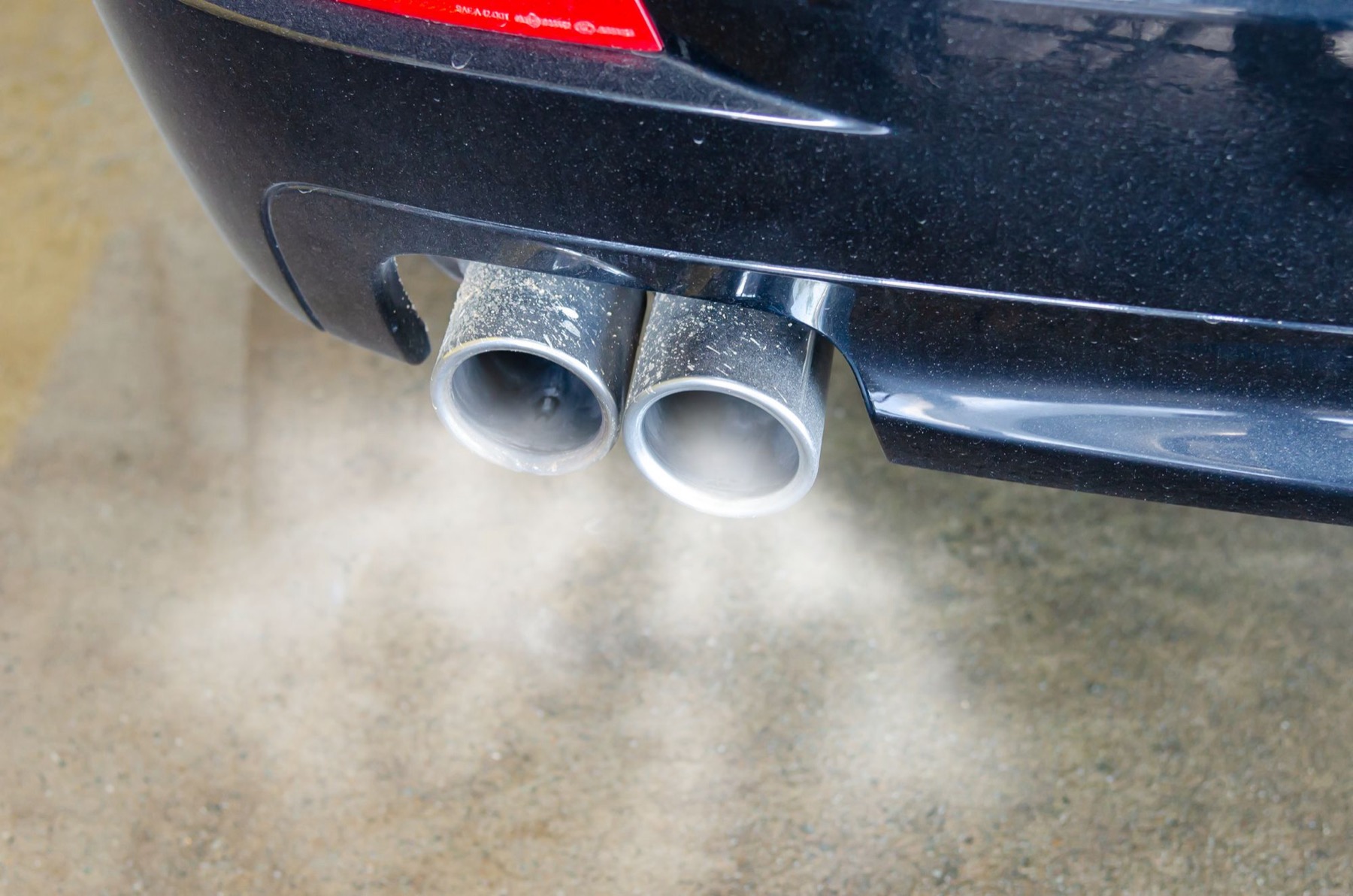
A matatu is a shared minibus, and Nairobi runs on them. The exhaust is a quieter part of the system. Two students at M-PESA Foundation Academy in Kiambu County decided to build a filter for it out of things a farm throws away.
Fredrick Njoroge Kariuki and Miron Onsarigo, both 17, call the device HewaSafi, Swahili for “clean air.” Mongabay reported that Kariuki developed a chronic lung disease at age 10, and that Onsarigo grew up seeing deaths and serious illness tied to polluted air. “It was a passion before it became a project,” Kariuki told Mongabay.
How it works
The exhaust flow is split into five compartments, each aimed at different pollutants, according to Mongabay. Materials include coconut shells, maize cobs, steel mesh, copper and recycled parts from old batteries. One stage uses living spirulina algae, a form of bioremediation.
The pilot
The team ran a pilot with a local matatu association. Mongabay reported that filters went into five matatus on Nairobi’s Thika Road corridor, with sensors logging readings every six hours in real conditions. The team’s reported results were a 93.3 percent drop in PM2.5 particulates, a 42 percent drop in carbon monoxide and 21.4 percent CO2 absorption.
Those are the students’ figures. Tech-ish noted that the claim of more than 90 percent particulate capture needs continued independent testing, and we agree.
Cost is the other half of the pitch. Mongabay reported that existing filters cost about 50,000 shillings (nearly $390), while the HewaSafi prototype costs 16,288 shillings ($126).
The prize and the plan
HewaSafi won the Africa region of the Earth Prize on May 12, 2026. The prize is a Switzerland-based competition for students aged 13 to 19, and each regional winner receives $12,500 to carry out its plan. The chair of the adjudicating panel, Agustin Ocana Escobar, said what made the project strong was that the students “were not presenting only an idea.”
Next, the team wants to build 1,200 filters with local artisans and sign an agreement with the matatu owners’ association, which represents about 8,000 minibus drivers, to test filters in 200 vehicles. Mongabay also reported they have struggled to find funding so far, and that their school has supplied materials, guidance and a lawyer to help with a patent.
The two outlets differ on the students’ hometowns, so we left them out. The prototype is real, the pilot is small, and the next step is the test that matters.