A scuba-diving Miami student built a coral lab and took it to the county commission
Students for Coral Preservation recruits teenagers into reef science, free dive programs and a bit of local politics.
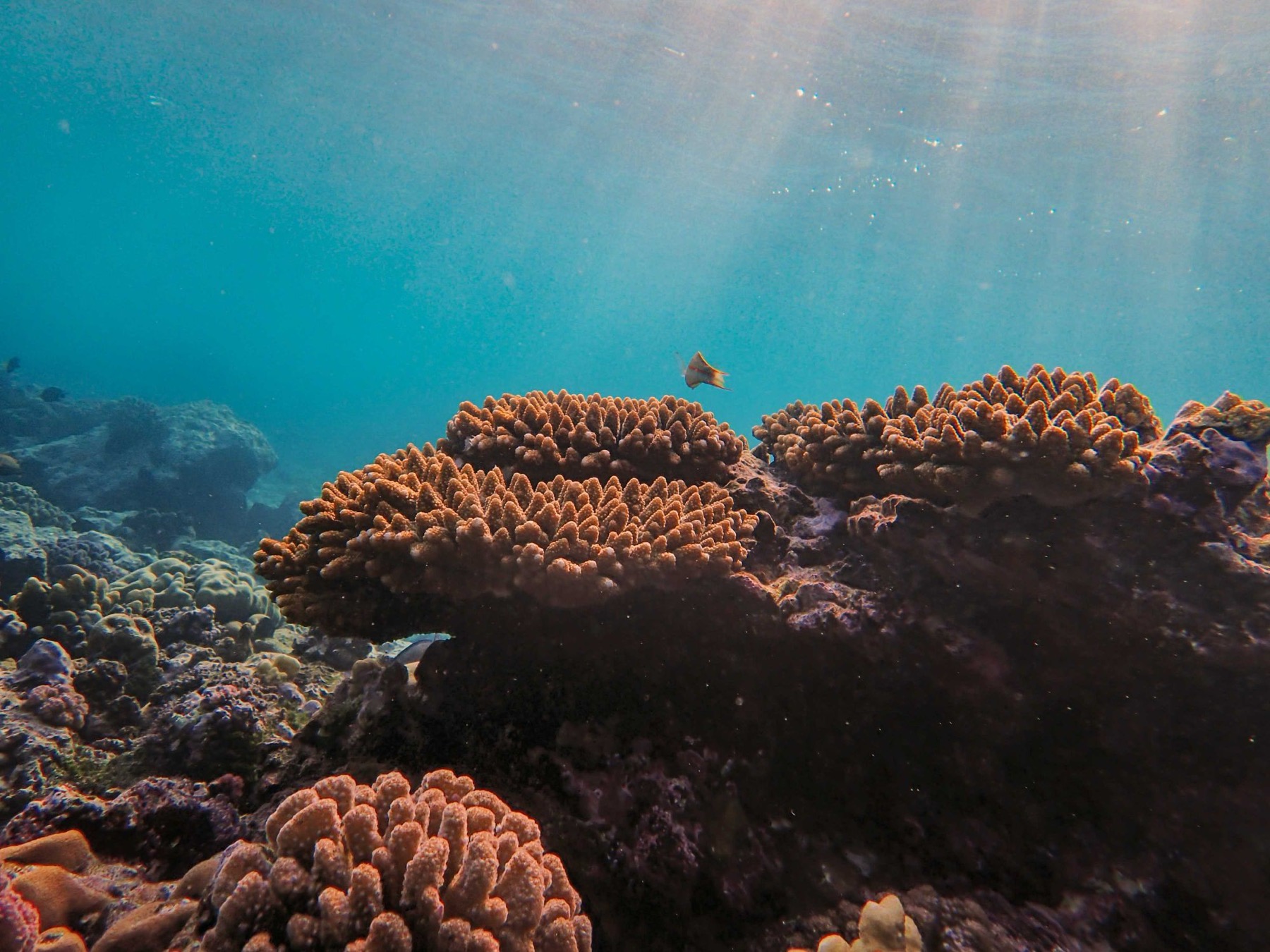
Florida’s reef tract has lost about 90 percent of its coral cover since 1984, according to the figure on the group’s own website. Andrei Steyn decided that was a problem students could do something about.
Local 10 reports that Steyn started Students for Coral Preservation after his first reef dive, and that he leads it as founder and president. At the time of the station’s 2025 Eco Hero contest, in which he was a finalist, the group had more than 60 members from six schools and universities.
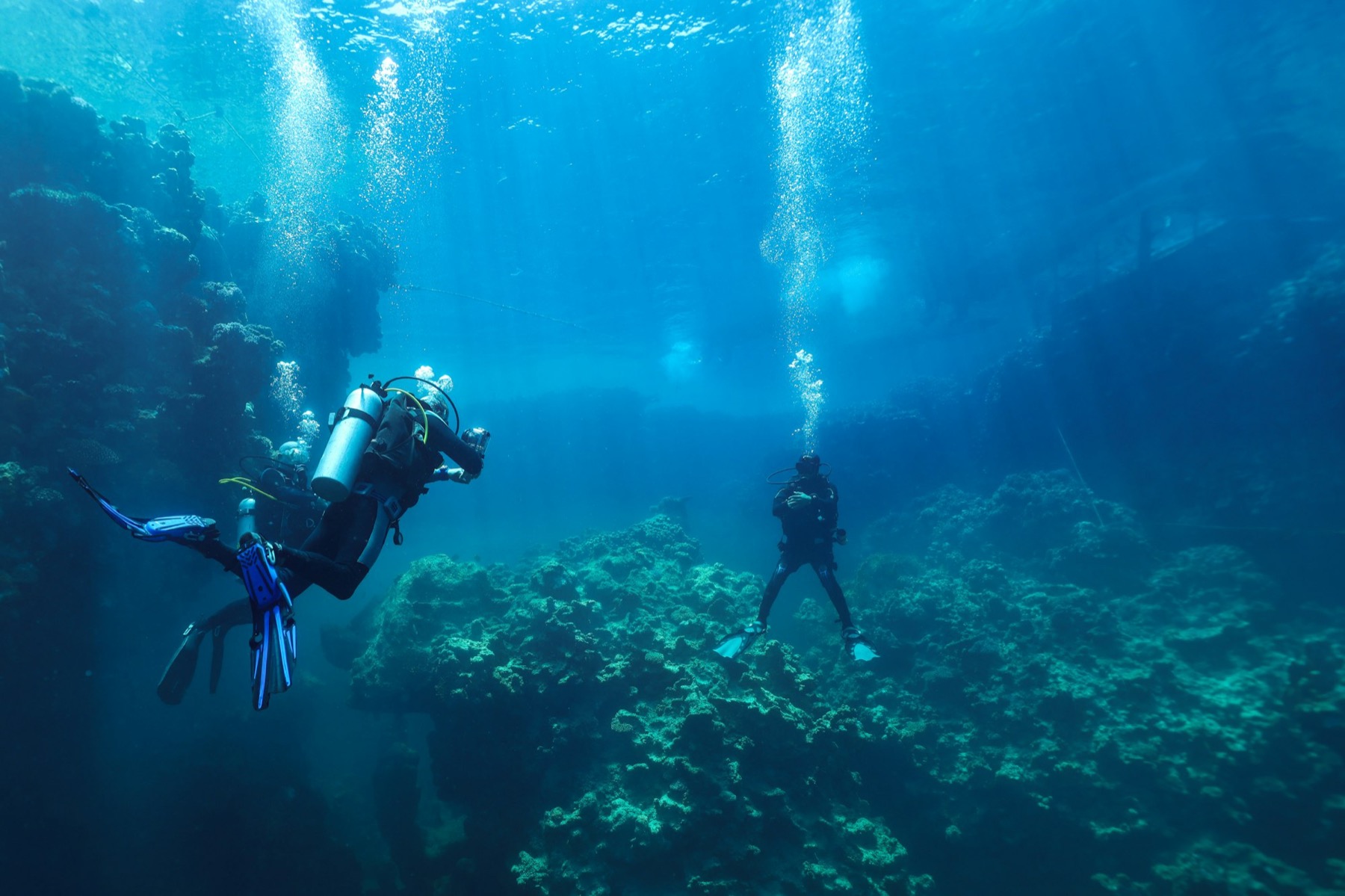
The organization describes itself as a youth-led nonprofit run by high school students, aimed at protecting and restoring Florida’s reefs through education, advocacy and hands-on work. Its fundraising page lists a network of more than 100 student members across Miami, a 200-gallon coral lab for classroom research, free educational dive programs for students and student art competitions.
The lab is a real piece of equipment. Per Local 10, Steyn and his team care for young coral fragments at Miami Day Country School, with plans to plant them on the reef once they mature.
Then there is the advocacy. The students took their message to the Miami-Dade County Commission, asking for more funding for coral preservation, particularly given PortMiami dredging. A teenager testifying about dredging at a county meeting is a more useful form of civic participation than most adults manage.
The group lists partnerships with PADI, including support for its Torchbearer movement, and, per its fundraising page, with Coral Morphologic and Miami Waterkeeper. Its website currently advertises virtual talks on October 27 and November 4 of 2026.
The pitch to other students is plain. You do not need a marine biology degree to join a reef effort, only a willingness to learn quickly and show up. The group lists its contact as info@studentsforcoral.org.
A note on sourcing: the founder’s name and the membership count come from Local 10, while the lab and program details come from the organization’s own pages.